In Dubai, the cocktail lounge isn’t just a place to drink-it’s a stage for storytelling, social ritual, and sensory design. As 2025 draws to a close, the city’s lounge scene is evolving faster than ever, driven by a mix of local culture, global influences, and the relentless demand for experiences that feel personal, authentic, and unforgettable. Forget the generic rooftop bars with mirrored ceilings and overpriced gin tonics. The future of cocktail lounges in Dubai is about intimacy, craftsmanship, and deep-rooted connection-to place, to people, and to tradition reimagined.
Hyper-Local Ingredients Are Taking Center Stage
Gone are the days when a ‘Middle Eastern twist’ meant a splash of rosewater and a mint sprig. Today’s top lounges in Dubai are sourcing ingredients from local farms, desert herbs, and even Emirati spice markets. At Al Qasr Lounge in Al Fahidi, bartenders use dates from Al Ain, crushed cardamom pods from Deira, and wild thyme harvested near Hatta. Their signature drink, the Al Safa Sour, blends Omani lime, date syrup fermented in clay pots, and a hint of saffron-infused gin. It’s not just a cocktail-it’s a taste of the UAE’s terroir.Even global chains like Zuma and CÉ LA VI have adapted. Zuma’s Dubai branch now features a monthly Desert Botanicals menu, with drinks made from halva-infused vodka and crushed camel milk powder. These aren’t gimmicks. They’re responses to a growing local audience-both Emiratis and long-term expats-who want to see their culture reflected in their drinks.
Quiet Luxury Replaces Flashy Glamour
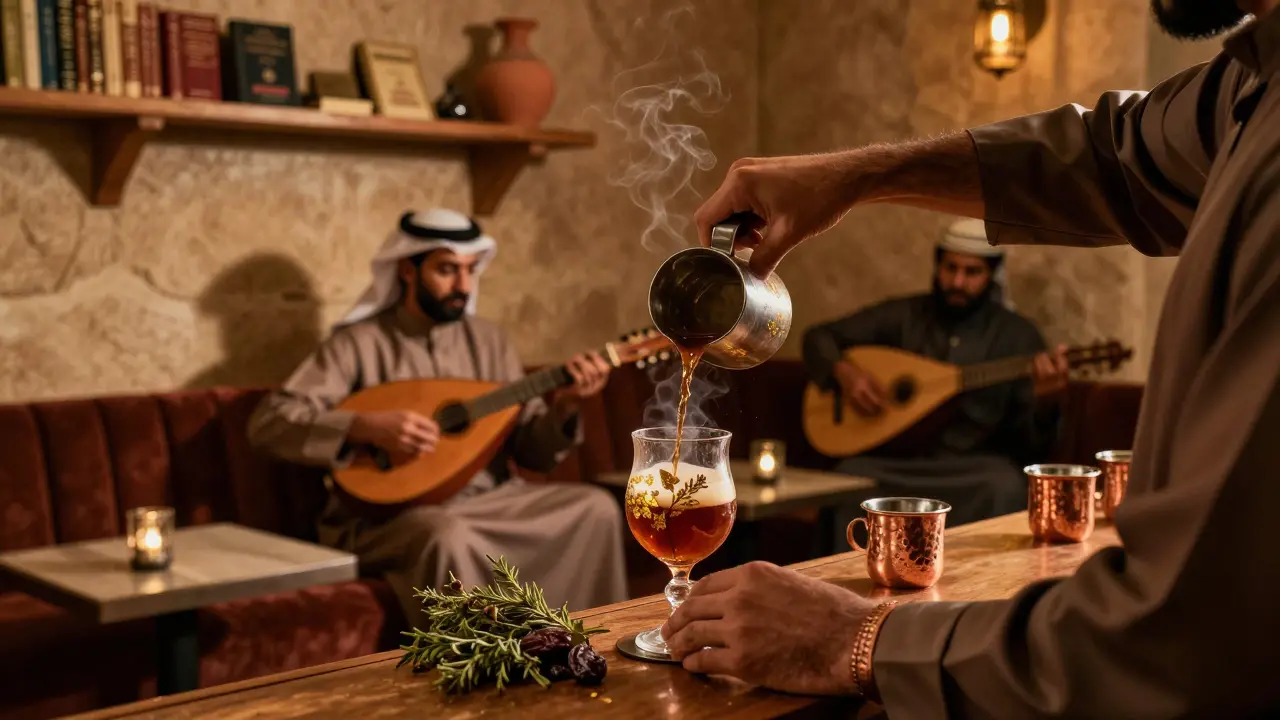
The era of glittering chandeliers and DJs blasting EDM in every lounge is fading. In its place: muted tones, velvet seating, low lighting, and the sound of ice clinking in a copper mug. Dubai’s new elite lounges are designed like private libraries or hidden courtyards. Think Bar 1913 in the Dubai Opera District, where the walls are lined with vintage Arabic literature and the only music is a curated playlist of Oud jazz. No neon signs. No Instagram walls. Just a 20-seat space where reservations are required, and the bartender remembers your name-and your usual.This shift mirrors Dubai’s broader move toward quiet luxury. It’s not about showing off. It’s about belonging. Locals and high-net-worth expats are tired of being treated like tourists. They want spaces that feel exclusive without being pretentious. And in a city where 85% of residents are expats, that sense of belonging is priceless.
Zero-Proof Cocktails Are No Longer an Afterthought
Dubai’s alcohol regulations are strict, but that doesn’t mean people aren’t drinking. In fact, non-alcoholic cocktails are now the fastest-growing segment in the city’s lounge scene. At Al Maha Lounge in Jumeirah, the Desert Mirage is a bestseller: a blend of hibiscus tea reduced with pomegranate molasses, activated charcoal for texture, and a dash of orange blossom water. Served in a hand-blown glass with a gold leaf garnish, it costs AED 85-and it’s ordered as often as the gin-based cocktails.This trend is fueled by multiple factors: health-conscious millennials, Muslim guests who don’t drink but still want to socialize, and a growing number of pregnant women and sober-curious professionals. Even hotels like Armani Hotel Dubai and Burj Al Arab now offer dedicated non-alcoholic tasting menus. The message is clear: in Dubai, a great cocktail doesn’t need alcohol to be extraordinary.
Technology Is Invisible, But Everywhere
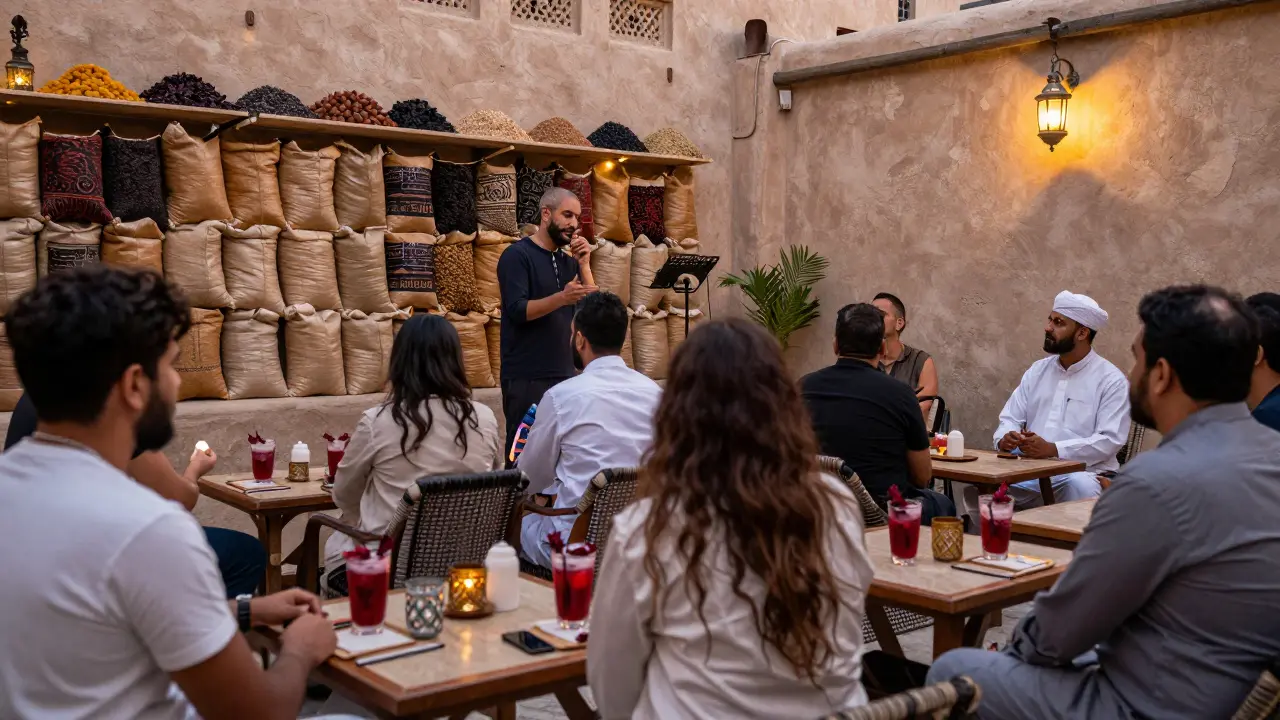
You won’t see QR codes on every table. You won’t be asked to scan a code to order. But behind the scenes, tech is reshaping the experience. At The Vault in Downtown Dubai, the bartenders use a custom tablet system that tracks each guest’s preferences across visits. If you ordered a mezcal old-fashioned last month, you’ll get a personalized note: “We’ve aged a new batch of smoked date syrup-thought you’d like to try it.”Some lounges use AI to predict demand based on weather, events, and even flight arrivals at DXB. On a Friday night after a major concert at Etihad Arena, Octave Lounge automatically increases staff and pre-chills 50 extra bottles of their signature Dubai Sunset-a blend of tamarind, pomegranate, and saffron gin. It’s not surveillance. It’s hospitality, upgraded.
Live Music Is Back-But Not How You Expect
Forget the cover bands and karaoke nights. The new wave of live music in Dubai lounges is acoustic, intimate, and culturally rooted. At Al Bait Bar in Alserkal Avenue, you’ll find a solo oud player performing traditional Emirati folk melodies between 8 PM and 10 PM. No microphones. No amplifiers. Just the raw sound of wood and strings echoing off sandstone walls. The crowd listens. They don’t film.Other lounges host poets reciting in Arabic and English, or jazz trios playing reinterpretations of Gulf rhythms. It’s not background noise-it’s part of the ambiance. And it’s working: 72% of regular patrons say they visit specifically for the music, not the drinks.
The Rise of Membership and Community
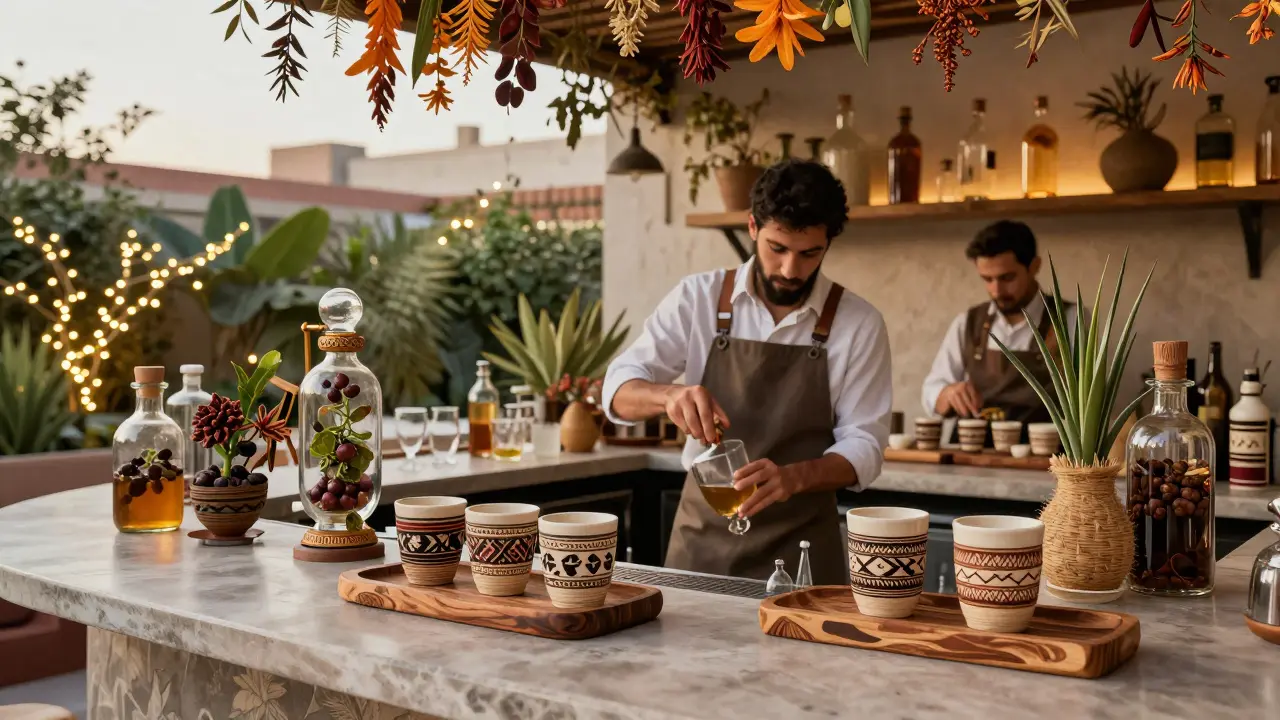
In Dubai, where people move in and out quickly, loyalty is hard to earn. But the best lounges are building communities. The Clubhouse in Al Barsha, for example, offers a monthly membership for AED 1,200 that includes priority seating, free tasting events, and access to exclusive workshops-like how to make your own date syrup or blend your own spice rubs. Members get a physical key fob, not a digital pass. They’re not customers. They’re part of the story.This isn’t just about profit. It’s about creating a second home. In a city where many feel transient, these lounges offer continuity. A place where you can walk in on a Tuesday night and be greeted like you’ve been away too long.
What’s Next? The Dubai Cocktail Lounge in 2026
The future of cocktail lounges in Dubai isn’t about bigger spaces or louder music. It’s about depth. Depth of flavor. Depth of culture. Depth of connection.Expect more lounges to partner with local artisans-pottery studios, perfumers, textile weavers-to create custom glassware, scent diffusers, and even cocktail napkins printed with Emirati poetry. Look for pop-ups in heritage districts like Al Fahidi and Al Shindagha, where old wind-tower houses are being turned into intimate tasting rooms.
And as sustainability becomes non-negotiable, expect zero-waste bars to emerge. One new concept, Re:Craft, already uses leftover date pits to make a smoky syrup and repurposes cocktail garnishes into compost for rooftop gardens in Dubai Marina.
The most successful lounges won’t be the ones with the most Instagram followers. They’ll be the ones that feel like they’ve always been here-even if they just opened last month.
Are cocktail lounges in Dubai open to everyone?
Yes, most cocktail lounges in Dubai welcome all guests, regardless of nationality or religion. However, alcohol service is restricted to licensed venues, and some lounges operate as dry spaces with non-alcoholic options only. Dress codes are common-smart casual is standard. No swimwear, flip-flops, or overly revealing clothing. Always check the venue’s policy in advance, especially if visiting during Ramadan, when some lounges reduce hours or offer alcohol-free menus.
What’s the average price for a cocktail in Dubai?
Prices vary widely. In a standard lounge, expect to pay AED 60-90 for a premium cocktail. At high-end spots like Zuma or CÉ LA VI, cocktails range from AED 110 to AED 160. Non-alcoholic drinks are often priced similarly, especially if they’re crafted with rare ingredients. Membership lounges like The Clubhouse offer better value over time, with included drinks and events.
Which Dubai lounge has the best view?
For panoramic views, At.mosphere on the 122nd floor of Burj Khalifa still leads-but it’s crowded and expensive. For a more intimate skyline experience, try Octave at the Address Downtown or Al Maha Lounge in Jumeirah, which offers unobstructed views of the Burj Al Arab without the crowds. Both focus on ambiance over spectacle.
Are there any cocktail lounges that serve Emirati food?
Yes. Al Qasr Lounge pairs its drinks with small plates like machboos croquettes, camel meat sliders, and khubz bread with date-date jam. Al Bait Bar offers a traditional Emirati mezze platter with balaleet (sweet vermicelli), luqaimat, and spiced camel milk yogurt. These aren’t afterthoughts-they’re designed to complement the cocktails, not compete with them.
How do I book a table at the most exclusive lounges?
For places like The Vault, Al Maha, or The Clubhouse, reservations are mandatory and often require a minimum spend. Book through their official websites or via concierge services at luxury hotels like Armani or Jumeirah. Walk-ins are rarely accepted, especially on weekends. Some lounges offer a waitlist app-sign up early. If you’re a guest at a five-star hotel, ask your butler. They often have direct access.
If you’re looking for a place that feels like more than a bar, start with the ones rooted in Dubai’s soil-not its skyline. The future of cocktail lounges here isn’t about who’s watching. It’s about who’s listening.