In Dubai, the night doesn’t just begin when the sun sets-it transforms. What started as quiet evenings along the Creek, where fishermen packed up and families gathered for tea, has become one of the most dynamic, high-energy nightlife scenes in the world. But this isn’t just about neon lights and bottle service. Dubai’s nightlife is a story of cultural negotiation, economic ambition, and social change-all played out under the glow of the Burj Khalifa.
Early Nights: When the City Slept Quietly
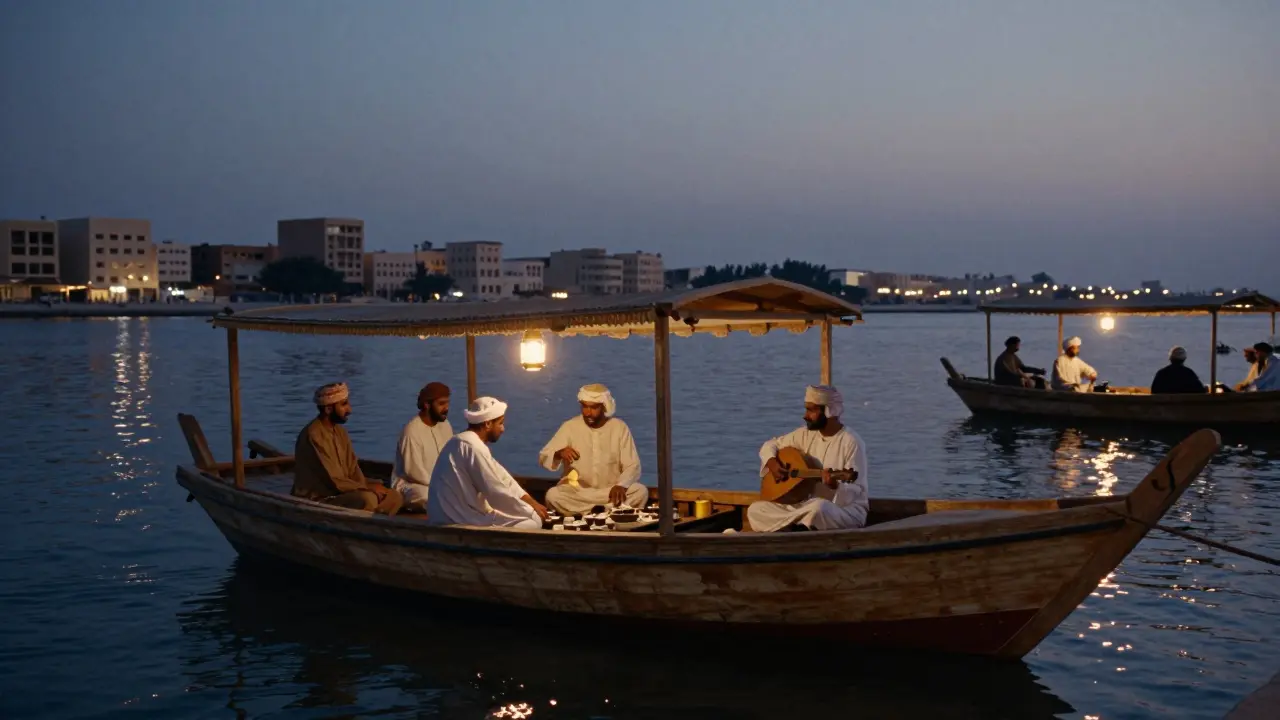
In the 1980s and early 90s, Dubai’s after-dark scene was barely a whisper. There were no rooftop lounges, no beach clubs with DJs spinning until 3 a.m., and certainly no 24-hour shisha terraces in Alserkal Avenue. Most residents ended their evenings by 10 p.m. Restaurants closed early. Public spaces emptied. The only places open past midnight were a handful of hotel bars-like the one at the Dubai Hotel, now the Hilton Dubai Creek-and a few traditional majlis where men gathered for card games and Arabic coffee. Women rarely went out at night. Social norms, rooted in Gulf traditions, kept nightlife private. Even expats, who were few in number back then, respected the quiet rhythm. The city didn’t need loud music or flashing signs to thrive. Its nightlife was in the scent of oud drifting from open doors, the murmur of conversation over dates and laban, and the occasional dhow cruise under the stars along Dubai Creek.The Turnaround: When Dubai Decided to Stay Awake
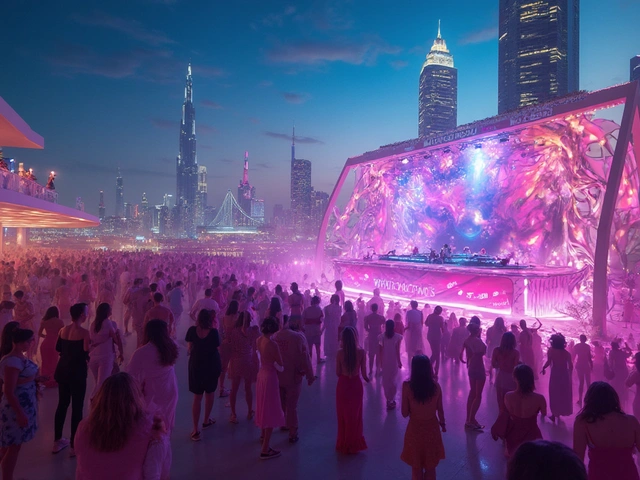
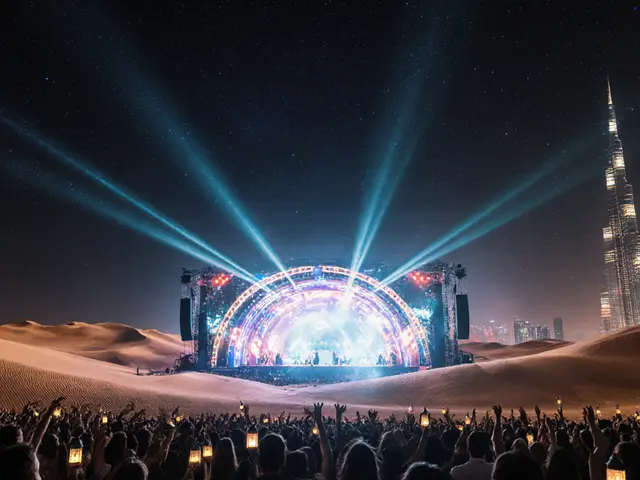
The real shift began in the mid-2000s. With oil wealth flowing and international investment pouring in, Dubai’s leaders made a bold choice: become a global hub not just for business, but for experience. Nightlife became part of the brand. The opening of Dubai Nightlife venues like White Dubai in 2007 marked a turning point. Suddenly, you could dance to international DJs at a beachfront club while the Palm Jumeirah sparkled behind you. The rules changed too-alcohol licenses became easier to get, entertainment districts like DIFC and Dubai Marina were designed with nightlife in mind, and dress codes relaxed just enough to welcome global visitors without erasing local identity. By 2012, Dubai had more than 200 licensed venues. The city didn’t just copy what existed in London or Ibiza-it adapted. You’d find a shisha lounge next to a techno club. A traditional Emirati oud player might perform before a DJ drops a bassline. The mix wasn’t random; it was intentional. Dubai’s nightlife became a cultural bridge, not a collision.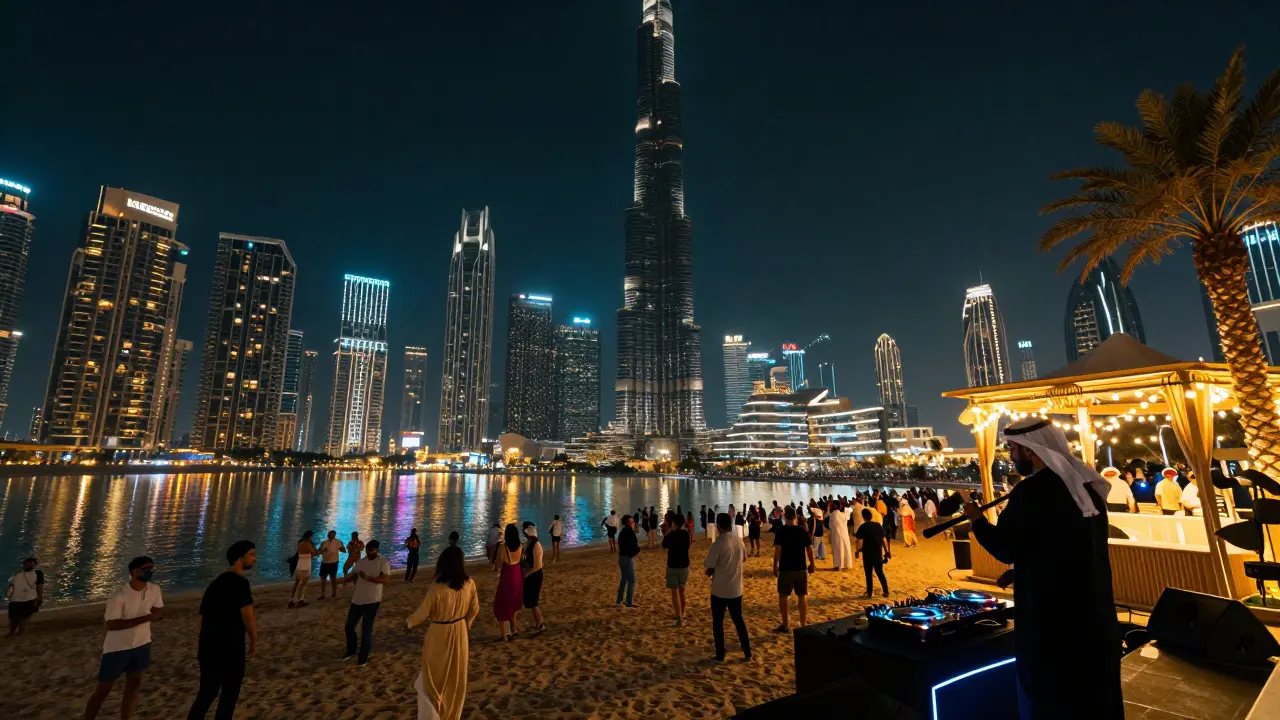
Today’s Scene: Where Tradition Meets Tomorrow
Today, Dubai’s nightlife is layered. It’s not one thing-it’s dozens of things happening at once. In Dubai Marina, you’ll find Dubai nightclubs like Catch and XS, where bottle service starts at AED 2,500 and the crowd is a global mix of expats, tourists, and local elites. But just 15 minutes away, in Al Fahidi Historical Neighbourhood, you can sit under lanterns at Al Serkal Avenue’s Art Dubai night openings, sipping Arabic coffee while listening to live jazz from Emirati musicians. Beach clubs like Nikki Beach Dubai and Puro Beach aren’t just parties-they’re experiences. Sunbeds, private cabanas, and curated playlists make them feel like extensions of your living room, just with better views. And unlike other global cities, Dubai’s beach clubs stay open until sunrise because the heat makes daytime lounging unbearable. The night is when the city breathes. Even the Dubai bars have evolved. Gone are the days of basic pub fare. Now you’ll find craft cocktail lounges like The Library at The Ritz-Carlton, where mixologists use local ingredients like date syrup, saffron, and camel milk. Or head to The Social in Jumeirah, where the vibe is cozy, the music is indie, and the crowd is mostly long-term residents who’ve lived here for over a decade. The rules are still clear: no public intoxication, no public displays of affection, no alcohol outside licensed zones. But enforcement is smarter now. Security staff at venues are trained to respect cultural boundaries-whether you’re a Western expat, a South Asian worker on a rare night off, or a local Emirati family enjoying a quiet evening at a rooftop restaurant like Al Hadheerah.The Future: Sustainability, Tech, and Cultural Depth
Dubai’s nightlife isn’t slowing down-it’s maturing. The next phase isn’t about bigger clubs or louder music. It’s about meaning. New developments like the Dubai Creek Harbour and the upcoming Museum of the Future district are being designed with nighttime culture in mind. Expect more green rooftops, solar-powered lighting, and venues that blend art, music, and storytelling. The government’s Dubai 2040 Urban Master Plan explicitly mentions preserving cultural heritage while expanding entertainment options-meaning future nightlife won’t just be flashy, it’ll be thoughtful. Technology is also reshaping the scene. Apps like Time Out Dubai and Yalla! Events now curate nightly happenings, from silent disco nights at Jumeirah Beach to poetry slams in Al Quoz. AI-driven recommendations help you find the right vibe: whether you want a quiet mezze dinner with live oud or a high-energy club with a live saxophone set. And sustainability is no longer optional. Beach clubs are switching to biodegradable cups. Night markets like the Dubai Design District Night Bazaar now feature zero-waste vendors. Even the famous Dubai Shopping Festival after-parties are shifting to electric shuttles and carbon-offset events.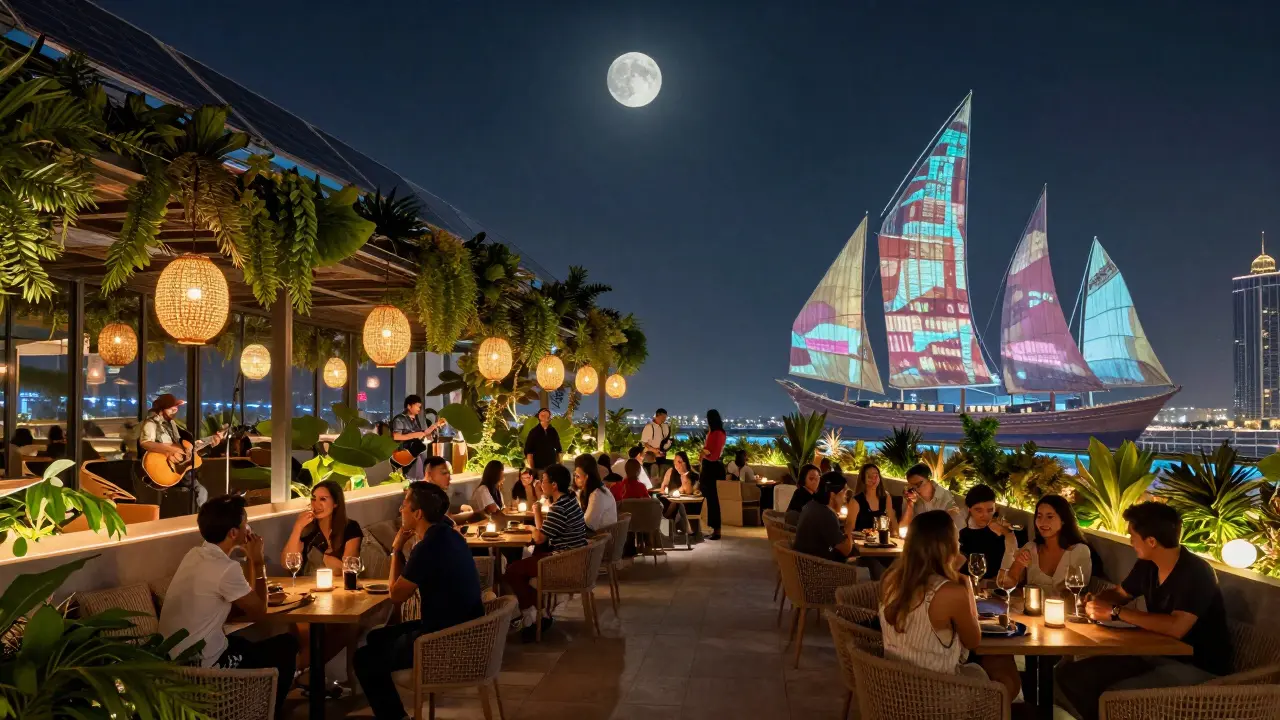
What This Means for You
If you’re a resident-whether you’ve lived here for 20 years or just moved last month-Dubai’s nightlife is yours to explore, but not to consume blindly. - Locals: You don’t have to choose between tradition and modernity. Many now host family-style iftar dinners in rooftop lounges during Ramadan, then return to clubbing in December. It’s not a contradiction-it’s evolution. - Expats: Don’t assume Dubai is just a party city. The best nights here aren’t always the loudest. Try a sunset dhow cruise with live Arabic music. Visit a henna night at Alserkal Avenue. Join a book club that meets at a quiet bar in Al Barsha. - Tourists: Skip the overpriced bottle service at the most famous clubs. Head to Al Fahidi at 9 p.m. on a Friday. You’ll find locals playing backgammon, families eating falafel, and artists painting under string lights. That’s the real Dubai.Final Thought: The Night Belongs to Everyone
Dubai’s nightlife has come a long way from quiet creek-side evenings. But its soul hasn’t changed. It’s still about connection-between people, between cultures, between generations. The future won’t be measured in how many bottles are sold, but in how many memories are made. The next time you step out after dark in Dubai, don’t just look for the brightest lights. Look for the quiet corners, the shared smiles, the oud mixed with electronic beats. That’s where the real evolution lives.Is Dubai nightlife safe for women?
Yes, Dubai is one of the safest cities in the world for women at night. Licensed venues have strict security, and police patrols are common in nightlife districts like Dubai Marina and DIFC. Many women, including Emiratis, go out alone or in groups without issue. Still, it’s wise to avoid unlicensed areas and always use registered transport like Careem or Uber. Public intoxication is illegal and can lead to fines, so drink responsibly.
Can tourists drink alcohol in Dubai nightclubs?
Yes, but only in licensed venues. Tourists can drink alcohol in hotels, bars, and nightclubs that hold a valid liquor license. You don’t need a personal license to drink in these places-just show your passport. Alcohol is strictly prohibited in public spaces, including beaches and parks. Always check for the license displayed at the entrance. Outside these zones, drinking is illegal and can result in arrest.
What are the best free nightlife options in Dubai?
Dubai offers plenty of free evening experiences. Walk along the Dubai Fountain at 8 p.m. or 9 p.m. for the free light and water show. Explore Al Fahidi Historical Neighbourhood on Friday nights, where art galleries and cafés host open mic nights. Visit the Dubai Frame at sunset for panoramic views. The Dubai Design District (d3) often holds free outdoor film screenings and live music events on weekends. Even the beaches-like Jumeirah Beach-are open at night for strolls.
Are there family-friendly nightlife spots in Dubai?
Absolutely. Many rooftop restaurants like Al Hadheerah and The Penthouse in Jumeirah offer family seating until 10 p.m. with kids’ menus and quiet zones. The Dubai Mall has evening entertainment like the Dubai Aquarium’s light shows and the Dubai Ice Rink. Families also enjoy evening walks at the Dubai Miracle Garden or the Dubai Canal. Even some beach clubs, like Puro Beach, have daytime family hours that extend into early evening.
When is the best time of year for Dubai nightlife?
October to April is peak season. Temperatures drop to a comfortable 20-28°C, making outdoor venues like beach clubs and rooftop lounges ideal. Major events like Dubai Shopping Festival (December-January) and Dubai Food Festival (February-March) bring extra nightlife energy. Summer months (May-September) are too hot for most outdoor venues, though indoor clubs and hotel lounges stay busy. Ramadan affects schedules-many venues close during daylight hours and open later at night after iftar.