Quick Tips for Dubai Nightlife
- Book VIP Tables Early: Popular Fridays fill up weeks ahead.
- Dress Code is Strict: No shorts or sports shoes in upscale venues.
- Cover Charges Vary: Expect between AED 100 to AED 500 depending on headliners.
- Use Rideshare: Traffic near Marina and Downtown can cause long waits.
- Verify IDs: Carry your Emirates ID or Passport; alcohol service requires valid ID.
If you are looking for the best nightclubs in Dubai, you quickly realize this city treats nightlife like fine dining-it demands preparation, timing, and budget awareness. The scene has evolved significantly over the last few years. It’s no longer just about big DJs playing generic house tracks. You will find dedicated techno spaces in City Walk, ultra-luxury lounges on Sheikh Zayed Road, and massive outdoor raves that transform into festivals. For residents and visitors alike, navigating this landscape requires knowing which doors to open before midnight.
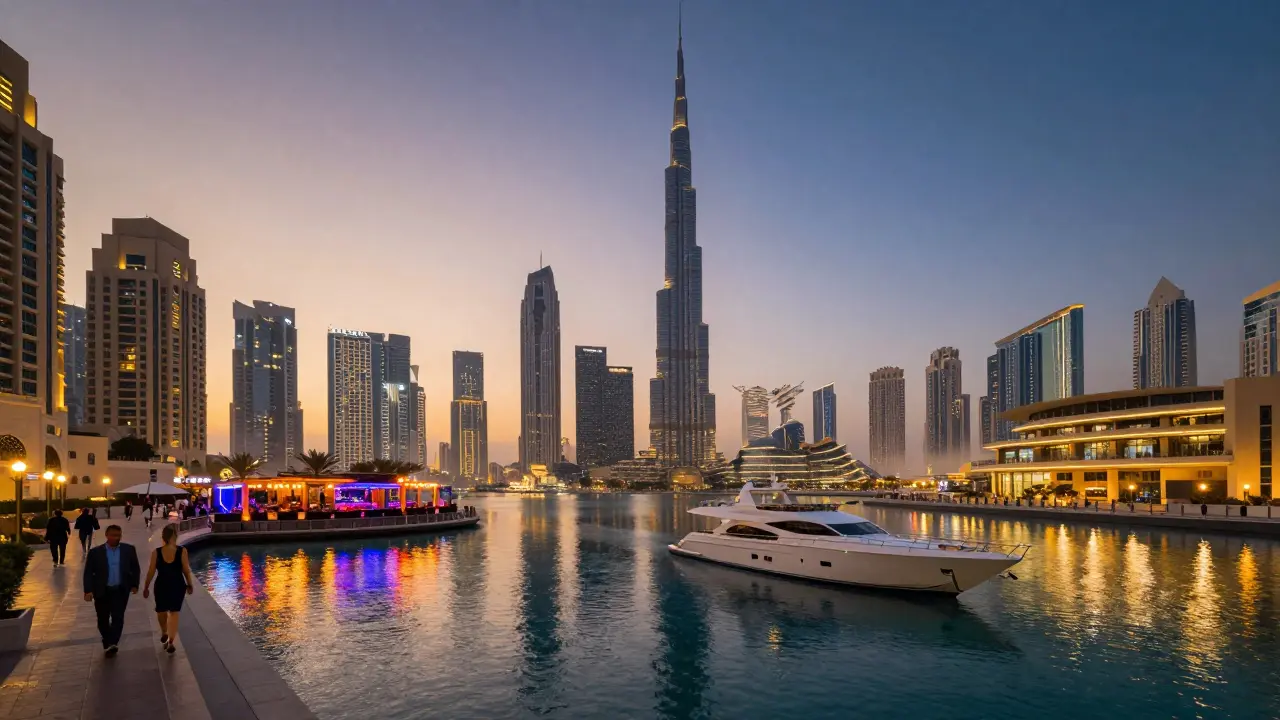
The geography of Dubai nightlife dictates your route. Most action centers around three main hubs: Downtown/Burj Khalifa area, Dubai Marina/JBR, and the newer districts like City Walk or La Perle. Each offers a different energy. Downtown feels more corporate-chic, Marina is younger and beach-centric, while City Walk attracts a fashion-forward crowd. Choosing the right venue means matching the location to your transportation plan and social group dynamic.
| Club Name | Vibe & Music | Typical Cover Charge | Best For |
|---|---|---|---|
| White Dubai | Luxury Pop / Top 40 | AED 300+ | Special Occasions |
| Soho Garden | Tropical House / Reggae Fusion | AED 150 | Crowd Surfing / Day-to-Night |
| At Last Beach Club | Techno / Underground | AED 200 | Musical Purists |
| Hili Rooftop | R&B / Chill Lounge | No Entry Fee | Casual Socializing |
Navigating the Top Venues in 2026
When we talk about White Dubai, located within the Madinat Jumeirah complex, we aren't talking about standard clubbing. This White Dubai is a luxury nightclub known for its high-end decor and international guest DJ roster. The entrance policy here is notoriously selective. Walking in without a reservation often results in a waitlist lasting hours. If you intend to visit White Dubai, book a booth through their official concierge at least three days prior. The sound system is top-tier, capable of shaking the ground, but remember the dress code is smart casual-think linen shirts and loafers, not flip-flops.
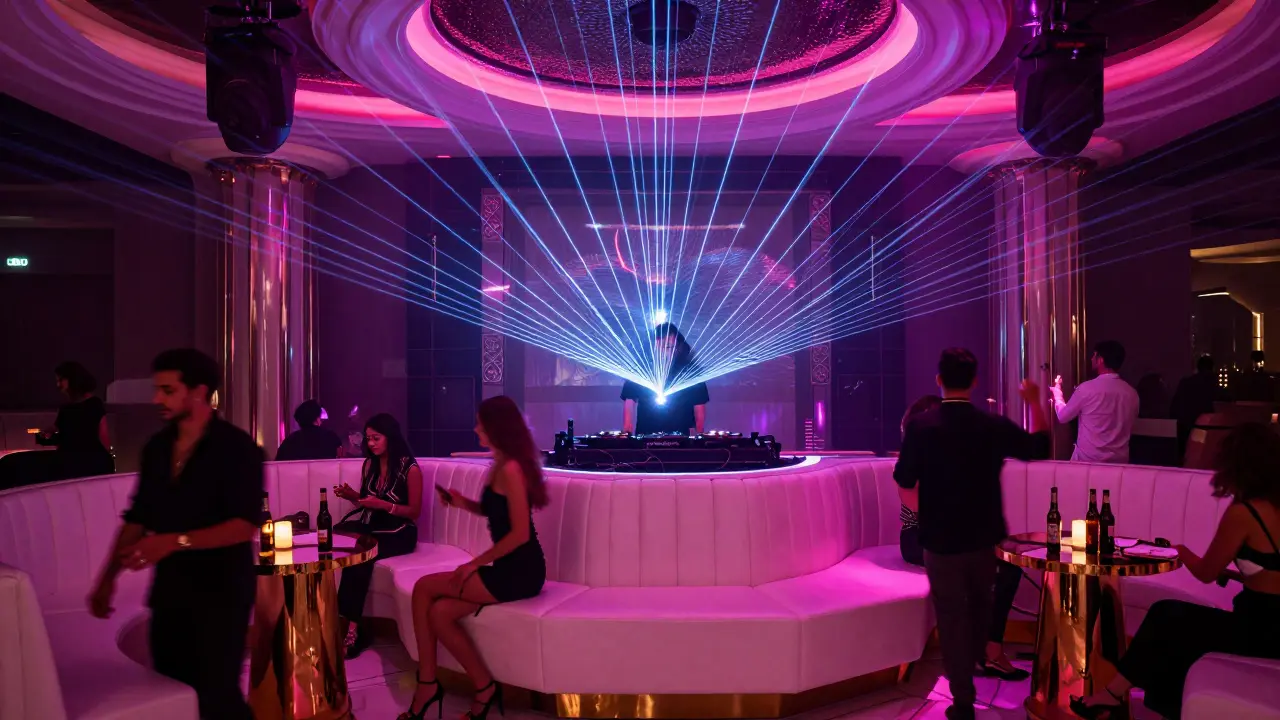
For those seeking a more immersive experience, Soho Garden in JBR stands out. Unlike the enclosed basement scenes common elsewhere, Soho Garden offers an open-air environment that captures the sea breeze. It functions as a beach club by day and a raging party by night. The lighting design utilizes laser mapping technology that syncs with the bass, creating visual tunnels. The crowd here is predominantly young adults, expats working in media, and students. The music tends to lean toward commercial house and reggaeton, making it easier for a general audience to enjoy rather than niche electronic enthusiasts.
City Walk has become the anchor for underground culture. At Last Beach Club (often shortened to Atlast) represents this shift. Here, the focus shifts from bottle service to sound quality. You'll find resident DJs spinning deep techno until 4 AM. This venue attracts locals who have been following the underground scene since the pre-pandemic era. It is less about seeing celebrities and more about experiencing a curated musical journey. The pricing structure is fairer here too, with drink tickets included in higher-tier table bookings.
Understanding Costs and Logistics
Budgeting for a night out in Dubai requires a tiered approach. While some bars allow free entry if you sign a guest list, major nightclubs almost always charge a door fee. In 2026, the average cover charge ranges from AED 100 to AED 300 per person. However, this is rarely transparent. Staff at the door might ask for a contribution if you haven't paid a deposit. To avoid awkwardness at the security gate, download the club's app or use verified ticketing platforms like Ticketmaster Middle East or Sevenate. These apps verify your purchase instantly and bypass the initial queue.
Transportation is another silent cost factor. Taxis can be expensive late at night due to surge pricing. Uber and Careem operate seamlessly throughout Dubai, but availability drops after 4 AM when clubs start closing. For groups of four or five, booking a private car through services like Indrive offers better value than splitting taxi costs. Furthermore, parking at major venues like Dubai Mall or Palm Jumeirah hotels carries hourly fees that rack up quickly. Always keep your license handy if you drive, as police checkpoints (Road Safety Officers) are active near popular zones until early morning.
Alcohol Laws and Compliance
Dubai maintains strict regulations regarding public intoxication, even within licensed venues. Dubai Alcohol Control Department enforces these rules to ensure public order. While drinking inside a nightclub is legal for non-Muslims over 21, the behavior surrounding it matters. Public displays of drunkenness can lead to immediate ejection or fines if security feels you are disrupting the peace. If you see staff checking IDs, cooperate promptly. Having a physical Emirates ID or Passport is mandatory for purchasing alcohol, regardless of how old you look.
Smoking regulations have also tightened recently. Many previously outdoor-smoking areas in places like Bluewaters Island have been reclassified as non-smoking zones. Electronic cigarettes (vaping) are permitted only in designated pods. Violating these rules can result in on-the-spot fines ranging from AED 1,000 to AED 2,000. Before heading out, check the venue's specific signage on terrace seating.
Seasonal Trends and Timing Your Visit
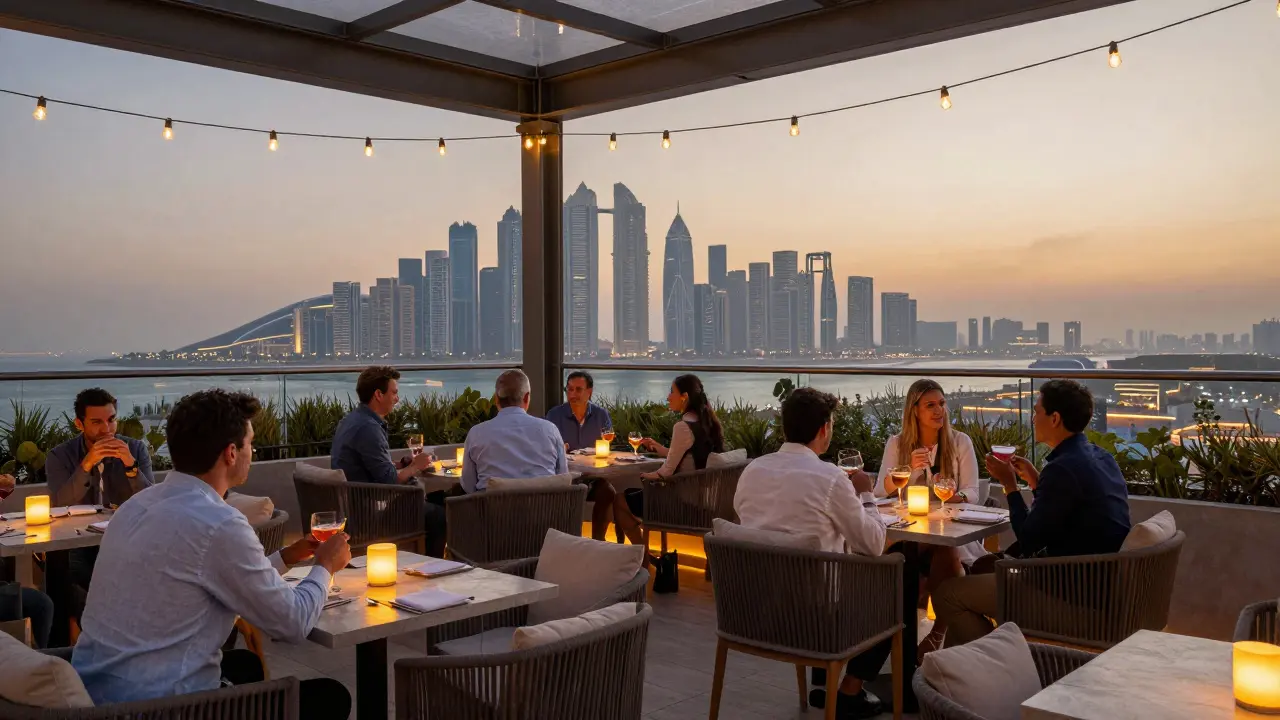
Timing affects the experience more than you think. Winter months (November to February) bring cooler nights, which makes rooftop clubs like The View Lounge or Hili Roof extremely popular because you can actually sit outside. Summer (June to September) sees most crowds migrating indoors or to fully air-conditioned mega-clubs in malls like Ibn Battuta. During Ramadan, the dynamic changes completely. Clubs remain open but operate quietly, and food consumption moves to specific timings later in the day.
Fridays are universally considered prime time. This is when the city empties of office workers and fills the dancefloors. Expect queues starting at 11 PM. Tuesdays and Wednesdays offer a chillier vibe with lower minimum spends for tables. If you are a tourist trying to save money, avoid the first Friday of the month, which often coincides with premium events launching new artist residencies or brand partnerships.
Resident vs. Tourist Perspectives
Locals tend to gravitate toward neighborhoods closer to them. Residents of Dubai Marina love spots like Yalla Bongo or On The Beach, while JLT workers prefer venues in Jumeirah Village Circle (JVC). Expats usually cluster around Downtown or DIFC after-work gatherings. As a visitor, you might get a "tourist discount" in terms of entry, but this depends on having a valid visa stamp in your passport or residency card. Some venues require proof of hotel booking for tourists if they are running promotional campaigns.
What happens if I don't have an ID?
Without a valid Emirates ID, Passort, or Visa page, security staff cannot legally serve you alcohol. They may deny entry entirely or refuse to let you into the restricted bar areas. It is essential to carry original documents.
Are there all-inclusive packages available?
Yes, many nightclubs like White Dubai offer pre-booked packages that include entry, drinks, and valet parking. Look for 'Gala' or 'Platinum' tiers on their website to avoid paying per drink inside.
Can I bring a camera?
Professional cameras are generally banned. Smartphones are allowed for personal photos, but flash photography is prohibited during live DJ sets to prevent distraction.
Is it safe to walk alone after leaving?
Walking long distances at night in Dubai is generally safe due to CCTV coverage, but relying on rideshares is recommended. Areas around the Metro stations remain monitored 24/7.
What is the latest closing time?
Most licensed venues close by 2 AM. Special event licenses can extend operations to 4 AM or even later on weekends, subject to government approval.