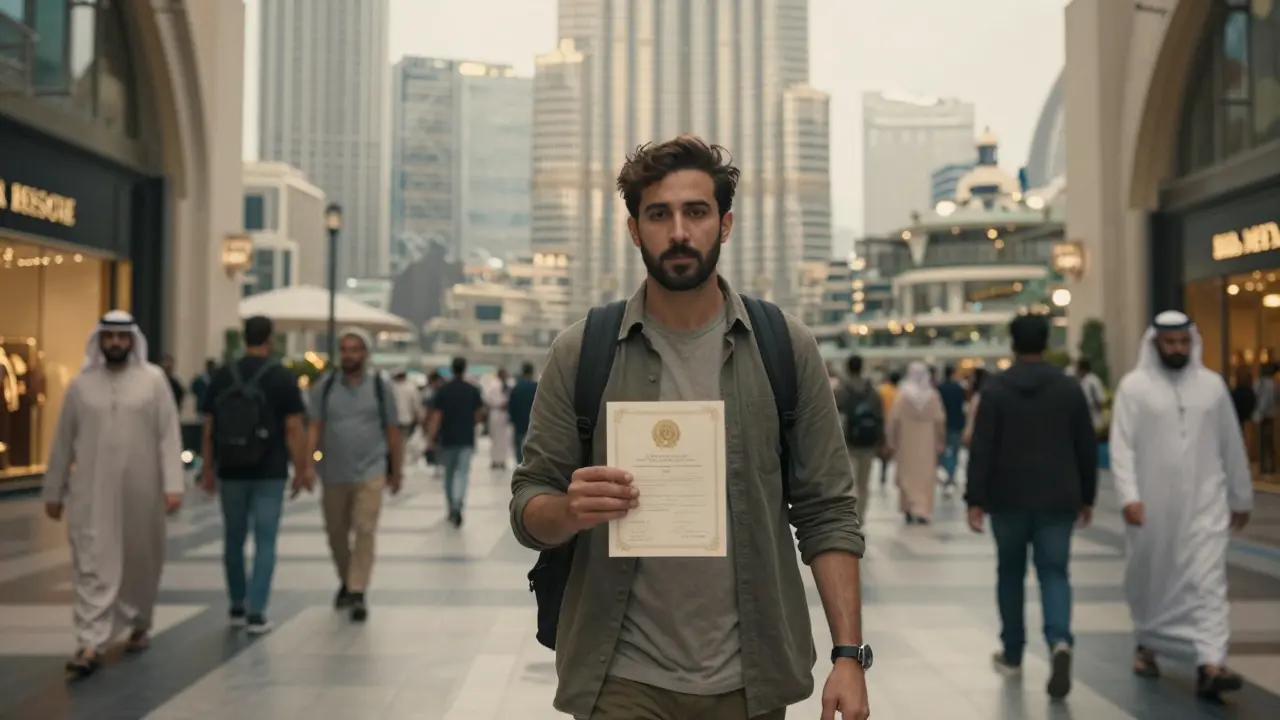
Dubai isn’t just about luxury malls and desert safaris. It’s a city where tradition, modernity, and strict laws live side by side-and that includes how people behave in private, especially when it comes to sex. If you’re planning a trip and wondering what’s allowed, what’s risky, or what could land you in serious trouble, you’re not alone. Many travelers assume Dubai is like other global cities. It’s not. And misunderstanding the rules can change your trip-or your life-forever.
Sex outside marriage is illegal
In Dubai, any sexual activity outside of marriage is against the law. That includes kissing in public, holding hands if it looks too intimate, and having sex with someone you’re not married to-even if both people are consenting adults. This isn’t a gray area. It’s written into the UAE Penal Code, Article 356. Police don’t need a complaint to act. If they see something that looks suspicious, they can stop you. Tourists have been arrested for kissing at a hotel pool, for sleeping with a partner they met online, or even for being found alone in a hotel room with someone of the opposite sex who isn’t their spouse.
There’s no such thing as ‘everyone does it, so it’s fine.’ Local authorities take this seriously. Penalties range from fines and deportation to jail time. In 2023, at least 17 foreign nationals were deported after being caught in consensual sexual situations. Some cases made international headlines because the couples didn’t realize how strict the enforcement had become.
Public displays of affection are risky
Even if you’re married, keep it low-key. A quick peck on the cheek at the airport? Probably fine. Hugging tightly in a shopping mall? Risky. Kissing on the lips in front of a mosque or on a beach? That’s asking for trouble. Dubai’s public decency laws are enforced unevenly, but they’re real. You might get away with it one day, and get pulled aside the next.
Local culture values modesty. While expats and tourists often act casually, the majority of residents-especially Emiratis-expect public spaces to remain respectful. A couple holding hands walking down the street might get ignored. But if they’re kissing or cuddling on a bench at the Dubai Mall, someone will likely report them. Security staff are trained to spot behavior that violates social norms.
Dating apps are not safe
Apps like Tinder, Bumble, and Hinge are popular in Dubai, but using them for sex carries serious risk. There’s no legal protection for casual encounters. If you meet someone through an app and go back to their place-or even your hotel-and things get physical, you’re breaking the law. Police have used digital evidence from phones to build cases against foreigners. Screenshots of messages, location data, and even hotel Wi-Fi logs have been used in court.
Some people claim they’ve had no issues, but those stories are exceptions, not the rule. In 2024, a British tourist was detained for three weeks after matching with a local woman on Tinder. She later claimed he pressured her into sex. Even though she was willing, the law didn’t care. The court ruled the relationship wasn’t legally recognized, and he was deported.
Hotels aren’t safe havens
Many travelers assume hotels are private zones where rules don’t apply. That’s a dangerous myth. Hotel staff are required to report suspicious activity. If two unrelated people check in together, especially if they’re of opposite genders and not married, the front desk might ask for proof of marriage. Some hotels will refuse the booking outright. Others will quietly note the details and report them to authorities if something happens later.
Even if you’re married, bring your marriage certificate. Some hotels, especially in older areas like Deira or Bur Dubai, still check. If you don’t have it, you might be asked to leave. Don’t assume your passport or ID is enough. Only a legally recognized marriage certificate will do.

Same-sex relationships are illegal
Homosexual acts are criminalized under UAE law. Same-sex couples cannot legally marry, and public displays of affection between same-sex partners are treated the same as any other non-marital intimacy-worse, in some cases. There have been reports of tourists being detained for holding hands or kissing with a same-sex partner. Even being seen entering a gay-friendly bar can raise flags. While some venues in Dubai cater to LGBTQ+ visitors, they operate under strict discretion. Don’t assume tolerance means legality.
There are no safe spaces where same-sex relationships are openly accepted. Unlike in many Western countries, there’s no legal protection against discrimination based on sexual orientation. If you’re LGBTQ+, your best option is to keep your relationship private and avoid public displays entirely.
What about alcohol and parties?
Drinking alcohol doesn’t make sex legal. Bars and nightclubs serve alcohol, and parties happen. But if you’re drunk and end up in a hotel room with someone you just met, you’re still breaking the law. Police don’t care if you were intoxicated. Consent under the influence doesn’t change the legal status of the act.
Some clubs have strict dress codes and security checks. If you’re caught with drugs-even small amounts of marijuana-you’ll be arrested immediately. There’s no ‘just a little’ when it comes to drugs in Dubai. And if drugs are involved, sex-related charges often come with them.
What happens if you’re caught?
If you’re arrested for a sexual offense, you won’t get a warning. You’ll be taken to a police station, your passport will be seized, and you’ll be held until your case is reviewed. You won’t be allowed to contact your embassy immediately. Legal representation is expensive and hard to find. Most foreigners don’t speak Arabic, and interpreters aren’t always available.
Deportation is common. Jail time is possible. Fines can reach tens of thousands of dirhams. In extreme cases, people have been imprisoned for months before being deported. Your home country won’t be able to protect you fully. The UAE doesn’t recognize foreign marriage certificates unless they’re officially attested. Even if you’re married in the U.S., Canada, or Australia, your certificate must be verified by the UAE Ministry of Foreign Affairs before it’s accepted.

How to stay safe
- Keep physical intimacy private. No kissing, hugging, or touching in public.
- Don’t use dating apps to meet strangers for sex.
- If you’re married, carry your marriage certificate at all times.
- Respect local dress codes-cover shoulders and knees in public areas.
- Avoid being alone with someone of the opposite sex who isn’t your spouse.
- Don’t assume hotels or clubs are safe zones.
- Never mix sex, alcohol, and drugs.
The easiest way to avoid trouble? Treat Dubai like you would a conservative family home. What you do behind closed doors is your business-but only if those doors are locked, and only if you’re legally allowed to be there.
Marriage and legal relationships
If you’re serious about a relationship in Dubai, marriage is the only legal path. Foreign couples can marry in Dubai, but it’s complicated. You need to provide birth certificates, divorce papers (if applicable), proof of single status, and your marriage certificate must be attested by your home country’s embassy and the UAE Ministry of Foreign Affairs. The process can take weeks. And even then, only civil marriages performed at the Dubai Courts are recognized. Religious ceremonies alone don’t count.
Some expats choose to marry back home and then come to Dubai. That’s the safest route. But if you’re already in Dubai and thinking about a relationship, remember: legality comes before love. No matter how genuine it feels, if it’s not legally recognized, it’s still a crime under local law.
Final reality check
Dubai is a beautiful, modern city with incredible food, culture, and experiences. But it’s not a place where Western norms apply. You’re a guest here. And guests follow the rules. If you want to enjoy Dubai’s beaches, skyline, and nightlife, do it without crossing lines that could cost you your freedom, your passport, or your future travel opportunities.
There’s no hidden guidebook. No secret loophole. No ‘everyone does it’ excuse. The law is clear. And the consequences are real.
Is it legal to have sex in a hotel in Dubai if you’re married?
Yes, but only if you can prove you’re legally married. You must present a valid marriage certificate that’s been officially attested by your home country’s embassy and the UAE Ministry of Foreign Affairs. Even then, some hotels may still ask for documentation at check-in. Without proof, you could be denied entry or reported.
Can I be arrested for kissing my partner in public?
Yes. Kissing in public-even if you’re married-is considered a public decency violation. Police don’t always act, but they can and do. Tourists have been detained for kissing on the cheek, holding hands too long, or even hugging in crowded areas. It’s not a matter of if, but when someone reports you.
Are dating apps like Tinder banned in Dubai?
No, they’re not banned. But using them to arrange sexual encounters is illegal. Police have arrested foreigners based on messages found on their phones. Even if both people consent, the law doesn’t recognize casual relationships. Your phone is not private if it’s linked to a crime.
What if I’m LGBTQ+ and visiting Dubai?
Same-sex relationships are illegal in Dubai. Public displays of affection between same-sex partners can lead to arrest. While some venues cater to LGBTQ+ visitors, they operate quietly. There is no legal protection for LGBTQ+ individuals. The safest approach is to keep your relationship private and avoid any public signs of affection.
Can I get in trouble for being alone with someone of the opposite sex?
Yes. If you’re not married to the person, being alone with them-especially in a hotel room or private space-can be seen as evidence of an illegal relationship. Security staff and hotel employees are trained to report this. Even if nothing sexual happened, suspicion alone can trigger an investigation.
What happens if I’m deported for a sex-related offense?
You’ll likely be banned from re-entering the UAE for years, sometimes permanently. Your name may be added to a regional watchlist, affecting future travel to other Gulf countries. Some countries will also flag your record, making it harder to get visas elsewhere. Deportation isn’t just a fine-it’s a long-term consequence.