
Most people think Dubai’s adult scene is either hidden or loud - but the truth is somewhere in between. If you’ve ever been to a rooftop lounge in DIFC, a quiet beach club in Jumeirah, or even a boutique hotel bar in Al Wasl, you’ve probably noticed something subtle. A glance held a second too long. A hand brushing against another’s as they reach for the same glass. A smile that doesn’t quite reach the eyes. These aren’t accidents. They’re cues. And in Dubai, where public displays of affection are legally restricted and social norms are tightly woven, these small gestures carry weight.
What Discreet Cues Actually Look Like
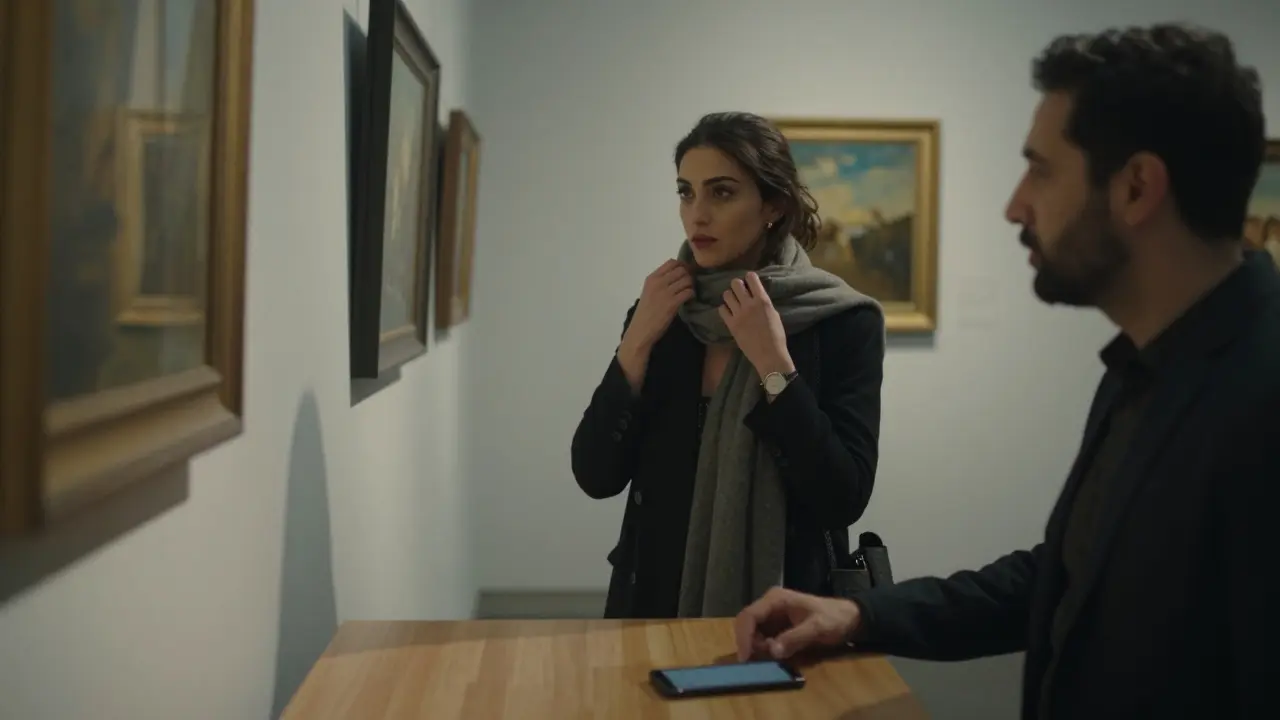
Forget Hollywood romances. In Dubai, attraction doesn’t wave flags - it whispers. You won’t see couples holding hands on the sidewalk. You won’t see people kissing in front of the Burj Khalifa. But you will see someone subtly adjusting their scarf to reveal a sliver of collarbone. Or a man offering a woman his jacket even though the air is warm. These aren’t random acts of politeness. They’re signals. And they’re understood by those who know how to read them.
One woman I met at a private art gallery opening in Alserkal Avenue told me she always checks the position of a man’s watch. If it’s on his left wrist, he’s likely married - and not interested. If it’s on his right, he’s single and open. It’s not a rule. It’s a habit passed down through expat circles. Another told me she notices how someone holds their drink. If they’re holding it with two hands, they’re nervous. If they’re resting it casually on the table, they’re relaxed - and possibly interested.
These cues aren’t about being sneaky. They’re about survival. Dubai’s laws are clear: public intimacy can lead to fines, deportation, or worse. But people still connect. They still feel attraction. So they’ve built a silent language - one that’s been refined over years of navigating boundaries.
Where These Cues Thrive
You won’t find these signals in crowded malls or tourist-heavy areas like Dubai Marina during peak hours. They live in the margins. In the quiet corners of members-only clubs like The Penthouse or The Loft. In the late-night taxi rides after a rooftop bar closes. In the elevator ride up to a private apartment in Al Barsha, where two people stand just a little too close, not speaking, but sharing the same breath.
Some of the most common places to notice these cues? Private dining rooms at restaurants like Zuma or Nobu, where the lighting is low and the tables are spaced far apart. Or at art openings in Alserkal Avenue, where conversations drift from paintings to personal lives without anyone saying, “Let’s talk about us.” Even yoga studios in Jumeirah - yes, yoga studios - have become unexpected spaces for these signals. A shared mat, a lingering stretch, a whispered “you’re doing great” - all of it can mean more than it seems.
These aren’t pick-up lines. They’re not flirtations in the traditional sense. They’re quieter. More deliberate. And because of that, they’re harder to miss - if you’re looking for them.
Why This Language Exists
Dubai isn’t just a city with strict laws - it’s a city built on layers. On the surface, it’s glittering towers and luxury shopping. Underneath, it’s a complex ecosystem of expats, locals, and transient workers, each with their own rules. For many, especially foreigners, the fear of being reported - even accidentally - is real. A wrong photo on Instagram. A too-close hug at a party. A comment that gets misinterpreted.
So people adapt. They learn to communicate without words. A woman might tuck her hair behind her ear three times in a row - a signal she’s open to conversation. A man might leave his phone face down on the table - a sign he’s not waiting for someone else. These aren’t universal codes. They’re personal. Learned through trial, error, and shared silence.
There’s also the cultural layer. Many expats come from places where flirting is loud and direct. In Dubai, that doesn’t work. So they learn to soften. To wait. To read. And over time, a new kind of intimacy emerges - one built on patience, observation, and mutual understanding.
What Doesn’t Work
Not every gesture translates. A direct compliment - “You’re beautiful” - can feel invasive, even dangerous. A text message saying “Let’s meet” after one conversation? That’s a red flag. In Dubai, speed is a risk. People don’t move fast unless they’re sure. And they’re rarely sure unless the cues have been consistent.
Also, don’t assume gender or orientation based on appearance. Dubai’s adult scene is diverse. A woman in a hijab might be the one who initiates the quietest, most intentional connection. A man in a suit might be the one who leaves a single rose on your table - no note, no name. These aren’t clichés. They’re real. And they’re not meant for everyone.
What’s dangerous is pretending you understand the rules if you haven’t lived them. Trying to force a connection because you saw a movie or read a blog? That’s how people get into trouble. The cues aren’t a game. They’re a shield. And they’re there to protect people - not to be cracked.

How to Learn the Language
You don’t learn this by reading a guide. You learn it by being present. By listening more than speaking. By noticing what’s left unsaid.
- Watch how people leave a room. Do they linger? Do they make eye contact before walking away?
- Notice how they respond to small talk. Do they answer briefly, or do they open up - slowly, carefully?
- Pay attention to timing. Are they always at the same place at the same time? That’s not coincidence.
- Don’t rush. If someone gives you a cue, wait. Let them give you another. One cue is a possibility. Two is a pattern. Three is an invitation.
And if you’re unsure? Don’t ask. Don’t push. Just smile. And walk away. Sometimes, that’s the most respectful signal of all.
What This Says About Dubai
This isn’t about secrecy. It’s about dignity. Dubai’s adult scene isn’t about breaking rules - it’s about finding spaces where people can be human without fear. The cues aren’t a loophole. They’re a bridge. Between cultures. Between laws. Between desire and discretion.
People here don’t want to be seen. They want to be known. And that’s why these quiet signals matter. They’re not about sex. They’re about connection. Real, quiet, deeply human connection - in a city that doesn’t make it easy.
If you’ve ever felt alone in Dubai, even in a crowd - you’re not. Someone else is watching. Waiting. Reading the same signs. And if you’re patient enough, quiet enough, you might just find them.
Are these discreet cues only for expats?
No. While expats often develop these signals out of necessity, many locals - especially younger generations - have also learned to navigate them. Some Emiratis use subtle gestures rooted in cultural norms, like offering tea or adjusting clothing in a specific way, to signal interest without breaking social codes. The cues are universal in function, but their form can vary by background.
Can these cues lead to legal trouble?
The cues themselves are not illegal. What matters is what follows. Public displays of affection - kissing, touching, or explicit behavior - can trigger legal consequences. But reading a glance, sharing a quiet moment in a private space, or exchanging a subtle signal? Those are not violations. The law targets actions, not intentions. That’s why these cues exist - to keep interactions safe and private.
Is this kind of signaling common among locals?
Yes, but differently. Locals often rely on family networks, trusted friends, or community events to meet potential partners. When cues are used, they’re usually tied to cultural rituals - like exchanging gifts during Ramadan, or sitting near someone at a wedding without speaking. The language is quieter, more traditional, and often mediated through third parties. It’s not the same as expat signaling, but it serves the same purpose: connection without exposure.
What if I misread a cue?
Misreading a cue is common - and usually harmless if handled with grace. If someone gives you a signal and you’re unsure, the safest move is to respond neutrally. A polite smile, a change of topic, or simply stepping back. Most people will understand. Pushing too hard - asking for clarification, sending a follow-up message, or confronting them - is what causes problems. In Dubai, silence is often the best reply.
Are there apps or platforms that help with these cues?
There are dating apps used in Dubai, but they’re not where the cues thrive. The real signals happen offline - in person, in spaces where you can observe behavior over time. Apps like Tinder or Bumble are used, but they come with risks: screenshots, screenshots of screenshots, and the chance of being reported. Most people who rely on cues avoid apps entirely. They prefer the safety of real-life observation.