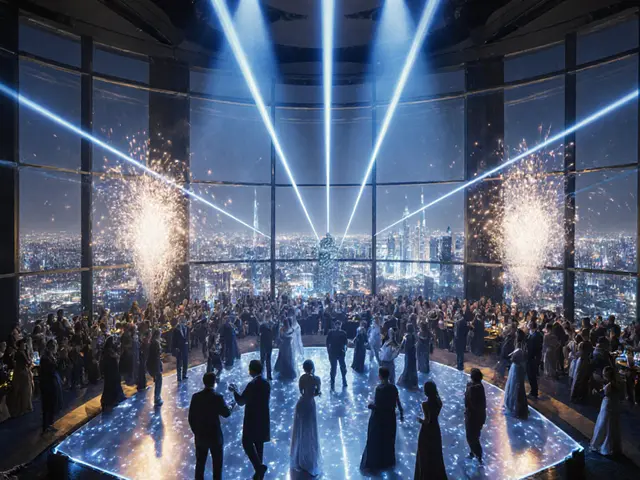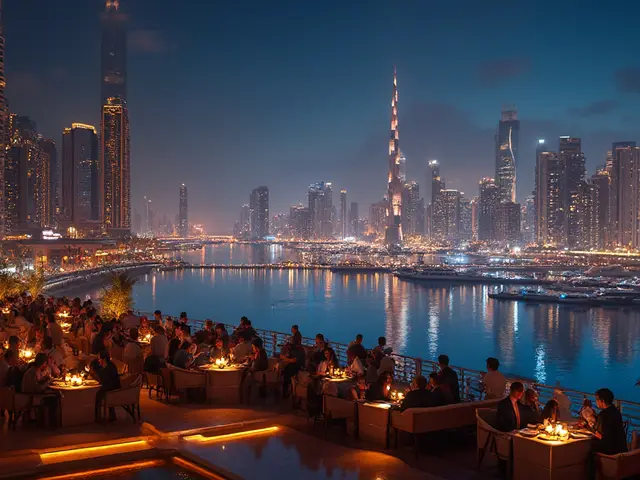
In Dubai, the art scene isn’t just an afterthought-it’s a living, breathing pulse that beats through desert sands and glass towers alike. If you’re an art enthusiast living in or visiting Dubai, you don’t have to wait for a trip to Venice or New York to experience world-class creativity. The city hosts a calendar of events that rival global capitals, blending traditional Emirati heritage with cutting-edge contemporary expression. From pop-up galleries in Alserkal Avenue to immersive installations under the Burj Khalifa, Dubai’s art events are designed to surprise, challenge, and move you.
Dubai Art Week: The Heartbeat of the City’s Creative Scene
Dubai Art Week, held every March, is the undisputed highlight for anyone serious about art in the UAE. It’s not just one event-it’s a citywide explosion of galleries, studios, and public installations. Alserkal Avenue in Al Quoz becomes the epicenter, where over 50 local and international galleries open their doors for private views, artist talks, and live performances. This isn’t a tourist attraction; it’s where Emirati artists like Hassan Sharif and Mohammed Kazem debut new work alongside global names like Shirin Neshat and Yinka Shonibare.
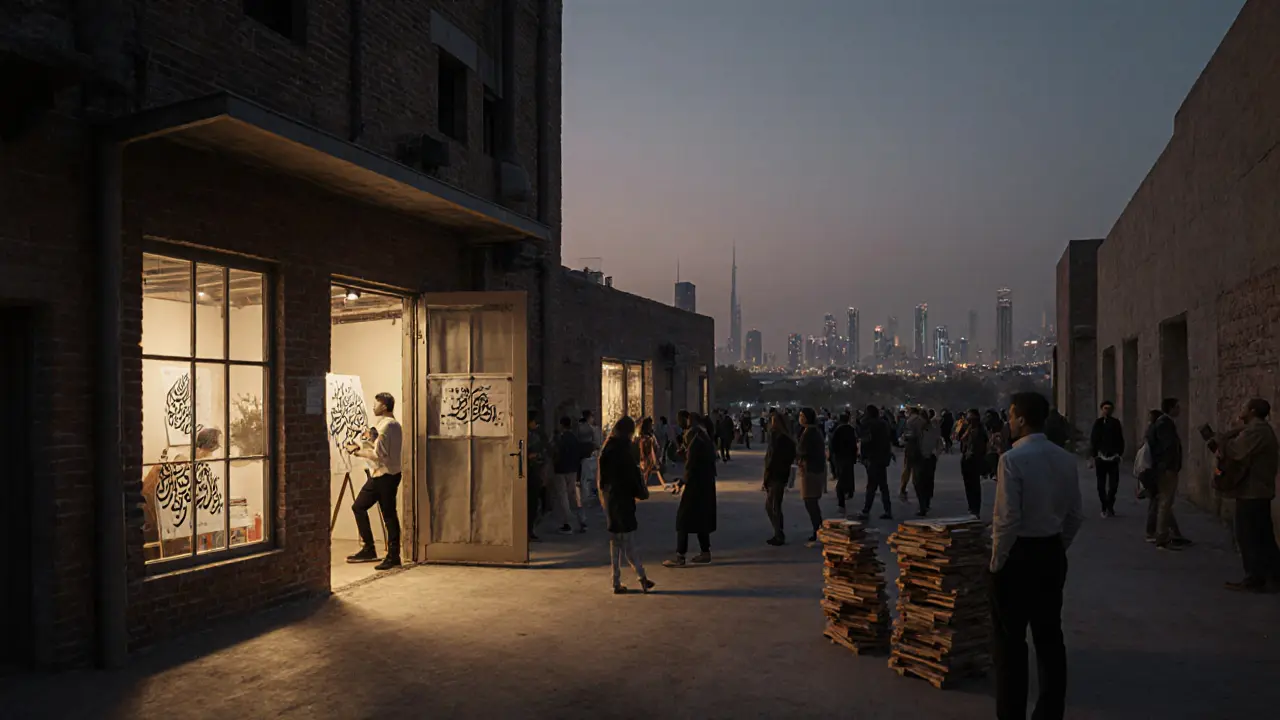
Don’t miss the Dubai Art Week open studios. Walk into a converted warehouse in Alserkal and find an artist hand-painting calligraphy on linen while sipping Arabic coffee. Or stumble upon a sound installation made from recycled oud wood, echoing through dimly lit corridors. These aren’t curated museum pieces-they’re raw, real, and happening right now.
The Dubai International Art Fair: Where Global Meets Local
Running alongside Dubai Art Week, the Dubai International Art Fair (DIAF) at the Dubai World Trade Centre is where collectors, curators, and curious minds converge. It’s not the biggest art fair in the world, but it’s one of the most culturally balanced. You’ll find galleries from Tehran, Lagos, Jakarta, and Beirut sharing space with Emirati powerhouses like The Third Line and Carbon 12.
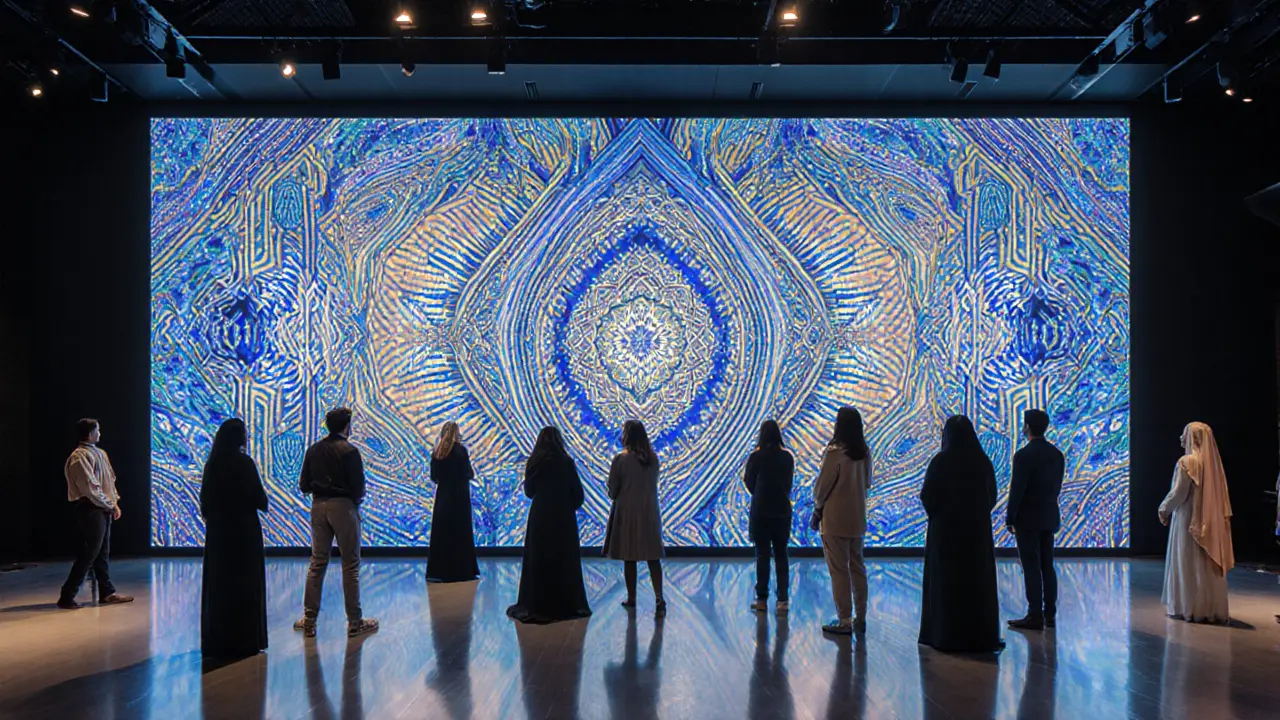
This year, the fair featured a dedicated section called Heritage Reimagined, showcasing contemporary works inspired by traditional Emirati crafts-pearl diving tools reassembled into abstract sculptures, woven palm frond patterns turned into digital animations. One piece, Al Sadu in Code by Dubai-based artist Fatima Al Qasimi, used AI to translate Bedouin weaving patterns into generative visuals projected onto a 10-meter wall. It sold within hours.
Art in Public Spaces: More Than Decor
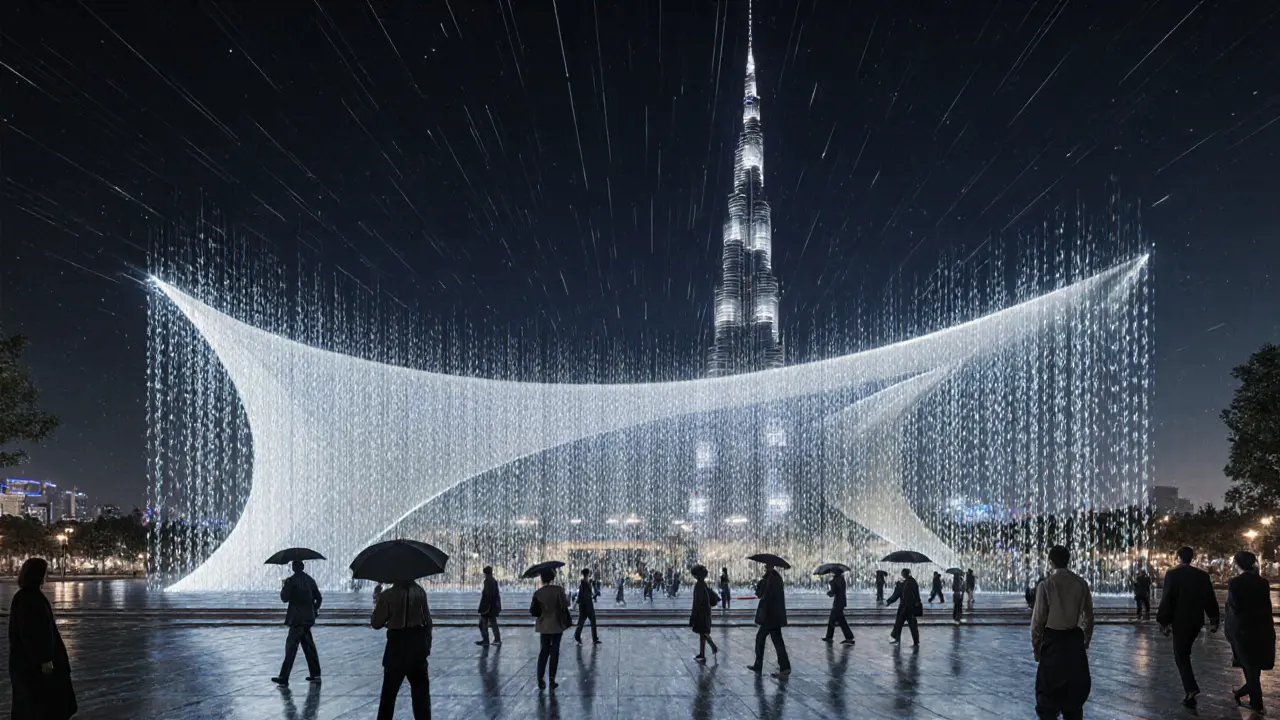
Dubai doesn’t keep art behind glass. It puts it on the streets. Walk along the Dubai Water Canal and you’ll see The Crescent-a 25-meter stainless steel sculpture by Emirati artist Ahmed Al Banna, shaped like a rising moon and lit from within at night. In Downtown Dubai, near the Dubai Opera, the Light Rain installation by French collective Atelier Oï projects cascading digital raindrops onto the facade of the Museum of the Future, synced to live weather data from the UAE.
Even the metro stations have art. At Al Fahidi Station, you’ll find Desert Echoes, a series of ceramic tiles created by Emirati schoolchildren depicting traditional desert flora and fauna. It’s not just decoration-it’s community storytelling.
Seasonal Highlights: What’s On Now
Right now, in November 2025, Dubai is buzzing with three unmissable events:
- Art Dubai Modern at Alserkal Avenue: A focused showcase of 20th-century Middle Eastern modernists. Don’t miss the rare 1972 oil painting by Iraqi artist Dia Azzawi, last seen in a private collection in Baghdad.
- Alserkal Pulse: A monthly series of experimental exhibitions. This month’s theme is Memory in the Archive, featuring digitized oral histories of Emirati fishermen paired with abstract soundscapes.
- Sheikh Mohammed Centre for Cultural Understanding (SMCCU) Art Nights: Held every second Thursday at the historic Al Fahidi Fort. Free entry. Enjoy traditional Emirati tea while viewing contemporary pieces by Emirati women artists exploring identity, migration, and belonging.
Where to Find Hidden Gems
Most tourists head straight to the Dubai Opera or the Louvre Abu Dhabi-but the real magic is in the quiet corners. Check out:
- 321 Gallery in Jumeirah: Run by a former curator from Tate Modern, it hosts monthly solo shows by emerging Emirati artists. No signage. Just a door with a number.
- Art House Dubai in Al Barsha: A nonprofit space where local teens run the curation. Their current exhibit? My Dubai, My Rules-a collage of selfies, handwritten notes, and street photography by students aged 14-18.
- Al Shindagha Museum’s Art Annex: A small room tucked behind the heritage museum where artists-in-residence from across the GCC display work inspired by local folklore. Last month, a Saudi artist recreated a traditional barjeel (wind tower) using recycled plastic bottles.
How to Get Involved
You don’t need to be a collector to be part of Dubai’s art world. Here’s how to engage:
- Join Art Dubai Community-a free membership program that gives you early access to events, artist meetups, and studio tours.
- Volunteer at SMCCU or Alserkal Avenue events. You’ll get behind-the-scenes access and often meet the artists personally.
- Take a weekend workshop. The Dubai Culture Authority runs affordable classes in Emirati calligraphy, sand art, and traditional embroidery-all taught by local artisans.
And if you’re thinking about buying art? Start small. Many artists sell prints or limited-edition zines for under AED 200. A piece by rising star Rasha Al Maktoum-hand-printed linocuts of Dubai’s skyline using ink made from crushed date pits-costs just AED 150. It’s not just affordable. It’s meaningful.
Why This Matters in Dubai
Dubai’s art scene isn’t about flashy branding or luxury branding. It’s about identity. In a city built on migration, where over 200 nationalities live side by side, art becomes the language that connects us. It’s how a Filipino domestic worker in Al Quoz finds herself reflected in a painting at Alserkal. It’s how a British expat learns about Emirati poetry through a spoken word night at the Dubai Opera. It’s how a child from Karachi sees their grandmother’s embroidery patterns turned into a digital installation.
This is what makes Dubai’s art events different. They don’t just show you art. They show you people.
Are Dubai art events free to attend?
Many are. Events like Art Dubai Modern, SMCCU Art Nights, and public installations along the Dubai Water Canal are free. Some gallery openings and private viewings at Alserkal Avenue require RSVP but rarely charge entry. Paid events, like the Dubai International Art Fair, start at AED 100 for a day pass-but student and resident discounts are often available.
When is the best time to visit Dubai for art events?
March is peak season for Dubai Art Week and the Dubai International Art Fair. But don’t wait. November through February offers quieter, more intimate experiences-like the Alserkal Pulse series or the Art House Dubai exhibitions. The weather is cooler, crowds are thinner, and artists are more available for conversations.
Can I buy art directly from artists in Dubai?
Absolutely. Many artists sell directly at studio open houses, pop-up markets like the Al Quoz Arts Festival, or through Instagram accounts linked on gallery websites. Some even offer payment plans. AED 500-1,500 buys you a meaningful, original piece from a local artist-not a mass-produced print.
Is there art in Dubai outside of Alserkal Avenue?
Yes. While Alserkal is the hub, art thrives everywhere: the Dubai Opera’s lobby features rotating installations, the Dubai Mall has a permanent digital art wall, and even the Dubai Airport’s Terminal 3 displays works from the UAE’s National Art Collection. Don’t overlook Al Fahidi Historical Neighbourhood-it’s full of small galleries tucked into restored wind-tower homes.
What should I wear to art events in Dubai?
Smart casual is the norm. Modest clothing is appreciated, especially at cultural venues like SMCCU or Al Fahidi Fort. No need for formal wear-many artists and curators wear linen shirts and jeans. Comfortable shoes matter, since you’ll be walking between venues. And always carry a light shawl-air conditioning in galleries can be freezing.